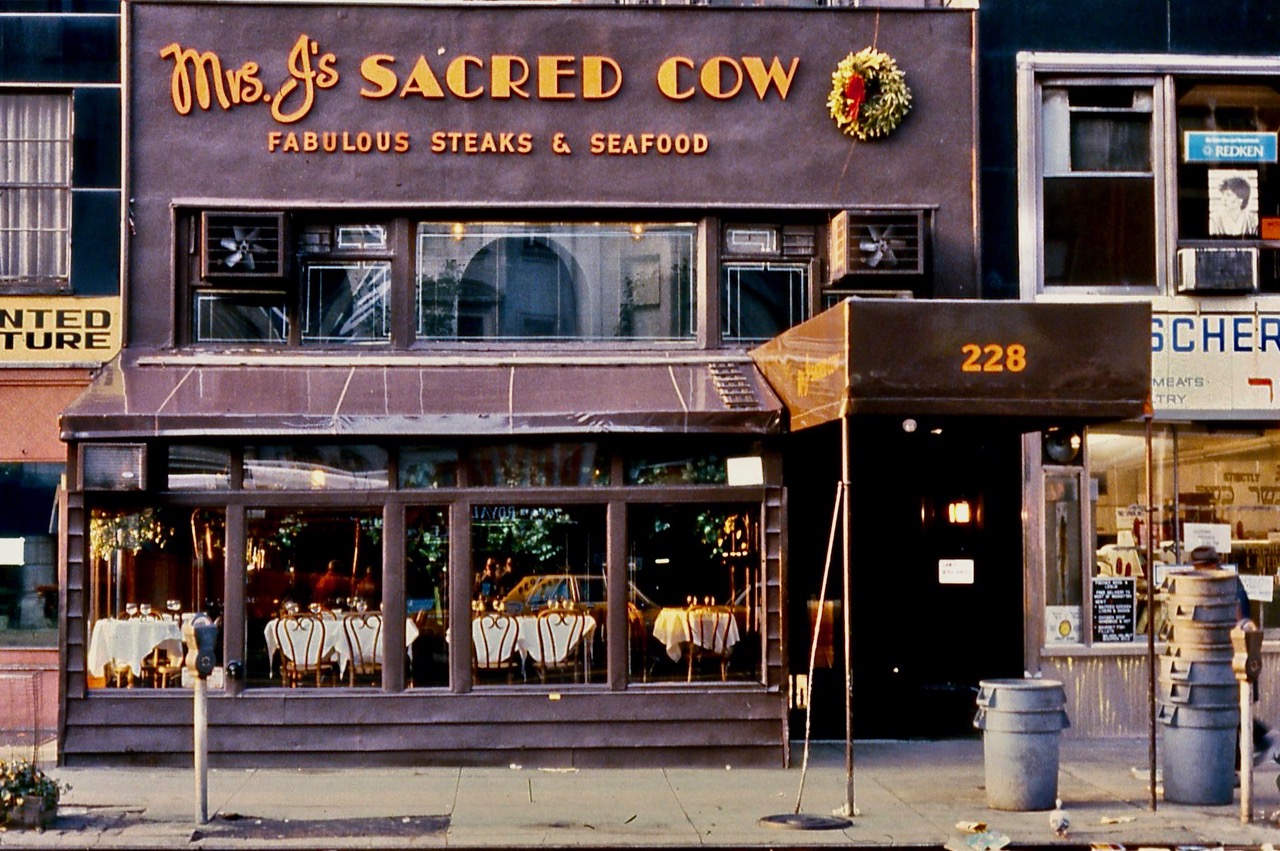
Mrs. J’s Sacred Cow is one of those classic, slightly theatrical New York neighborhood restaurants that pops up in memories and ephemera from mid-20th century into the 1990s.
Quick snapshot
* Mrs. J’s Sacred Cow was a longtime Upper West Side steakhouse (often cited at addresses on or near West 72nd Street). It was established around 1947 and remained a neighborhood fixture into the 1980s–1990s. ([Daytonian in Manhattan][1], [Flashbak][2])
* It was known as a steak-and-chops place — steaks, ribs, lobster and similar “classic” fare — and frequently described as having a lively, social vibe. ([Daytonian in Manhattan][1], [West Side Rag][3])
* One of the restaurant’s more memorable features in recollections and ads was live, showy service: singing waiters/waitresses and a bit of cabaret/entertainment (the basement reportedly housed a cabaret space). ([Daytonian in Manhattan][1], [West Side Rag][4])
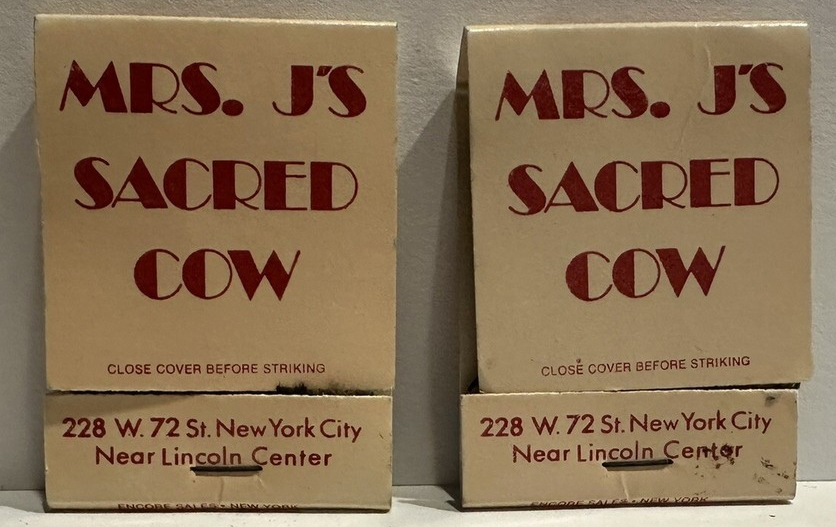
* Mrs. J’s has become a collectible subject — matchbooks, menus and photos from the place turn up on auction sites and in local nostalgia pieces, which is how a lot of the public record survives.
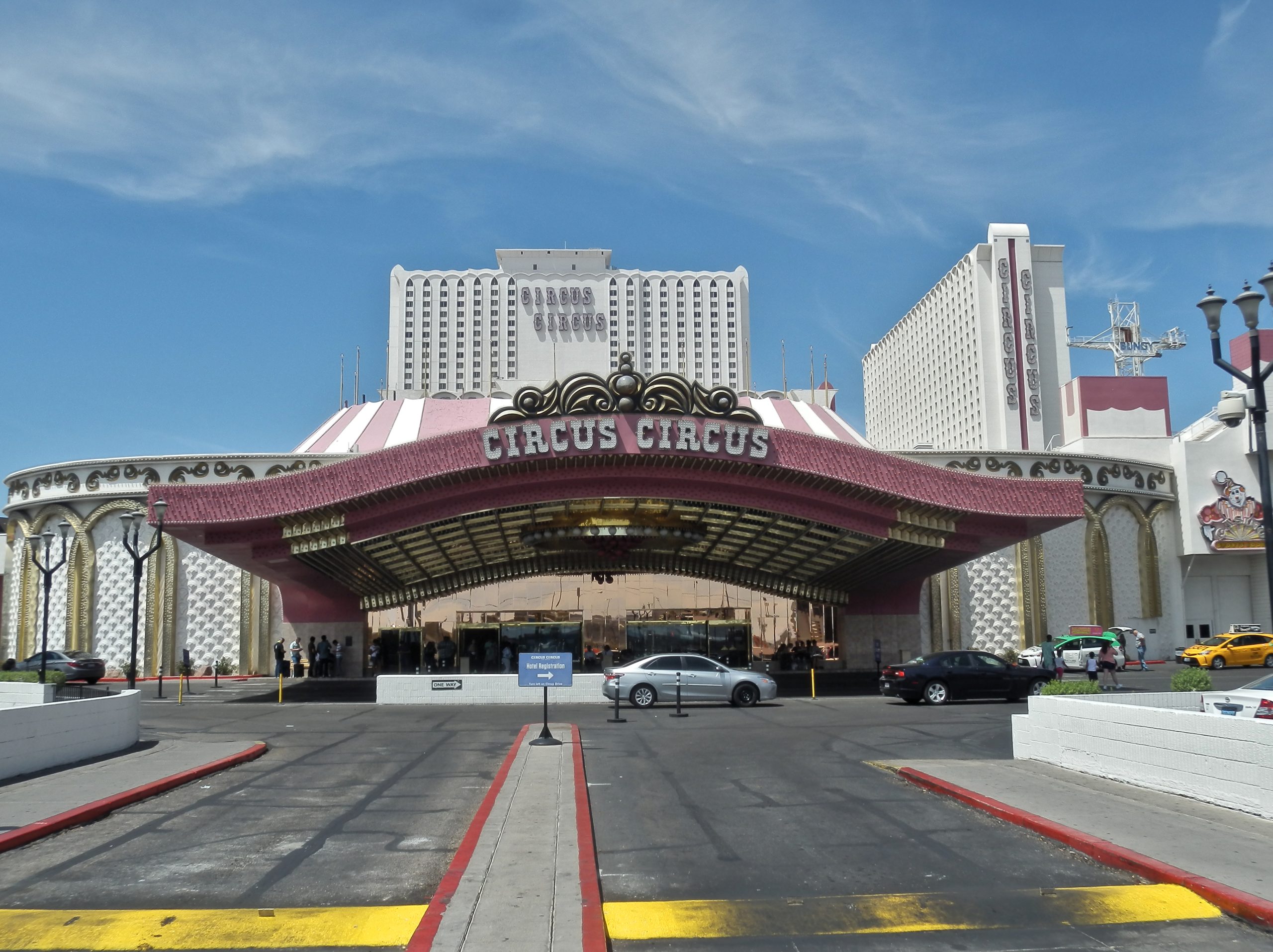
Here’s a historic snapshot of **Circus Circus Las Vegas**, a standout hotel and casino on the northern end of the Strip—let’s dive into its colorful past!
—
### Circus Circus — A Storied Legacy
#### 1. **The Grand Opening & Family Vision**
* Conceived by Jay Sarno (also behind Caesars Palace) and Stanley Mallin, **Circus Circus** debuted on **October 18, 1968**—initially as a casino without any hotel rooms ([Wikipedia][1], [Ultimate Pop Culture][2], [CasinoCyclopedia][3]). * The theme? A literal circus, complete with trapeze acts overhead, costumed dealers, baby elephants, even a performing monkey and elephant named Tanya that did things like pull slot handles and toss dice ([Wikipedia][1], [Ultimate Pop Culture][2], [Culture Trip][4], [CasinoCyclopedia][3]). * Marketed as Las Vegas’ **first family-oriented** casino — a bold shift from the adult-only resorts of its day ([Wikipedia][1], [Ultimate Pop Culture][2], [CasinoCyclopedia][3]).
#### 2. **Early Challenges & Mob Entanglements**
* Without a hotel and charging a small admission fee (\$1–\$2), Circus Circus struggled financially and faced licensing difficulties ([Ultimate Pop Culture][2], [CasinoCyclopedia][3]). * A **15-story hotel tower** with about 409 rooms was added in **1972**, funded by a Teamsters union loan—this also carried ties to organized crime and introduced mob-linked figures like Tony Spilotro ([Wikipedia][1], [Culture Trip][4], [CasinoCyclopedia][3]).
#### 3. **New Management & Expansion**
* In **1974**, Bill Bennett and Bill Pennington took over operations and turned things around by cleaning up the shows and focusing on mid-tier visitors ([Wikipedia][1], [Culture Trip][4]). * Under their watch:
* A second **15-story tower** (1975) was built. * An **RV park** (1979) and motel wings (1980) boosted total rooms to over **1,600** ([Wikipedia][1], [Culture Trip][4]). * The **29-story Skyrise tower** came in **1986**, raising capacity to nearly **2,800 rooms** ([Wikipedia][1]).
#### 4. **Modern Additions & Ownership Shifts**
* In **1993**, the **Adventuredome** indoor amusement park was added, and a **35-story West Tower** followed in **1996-97**, bringing total rooms to around **3,700** ([Wikipedia][1], [Culture Trip][4]). * The property evolved under corporate entities: **Circus Circus Enterprises** → **Mandalay Resort Group** (1999), then acquired by **MGM Resorts** in 2005 ([Wikipedia][1], [Culture Trip][4]). * In **2019**, Gulf Coast businessman **Phil Ruffin** became the owner—he’s continued investing in updates, including refurbishments, Splash Zone water features, and vibrant renovations aligned with the circus theme ([Wikipedia][1]).
—
### Legacy & Identity
Today, Circus Circus stands as the **world’s largest permanent circus**, offering carnival-style midway games, live circus acts, and the Adventuredome—all anchored by nostalgic, family-friendly flair ([Wikipedia][1], [Culture Trip][4]). Despite its flamboyant beginnings and ties to organized crime, its evolution under Bennett and Pennington cemented its profitable, enduring place in Las Vegas lore.